How to Choose Pendant Lighting: Styles, Sizes & Placement
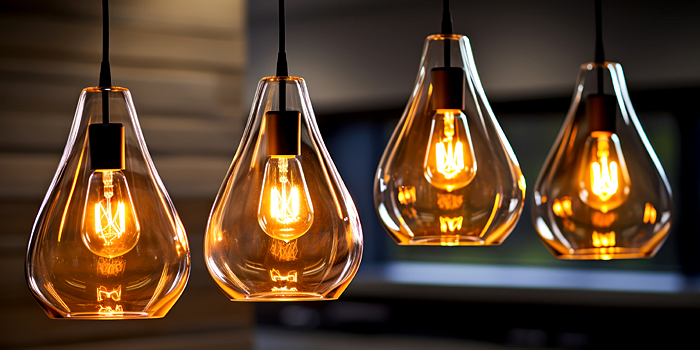
Pendant lighting is one of the most versatile and stylish ways to illuminate your home. Whether you’re adding a subtle glow above a bedside table or creating a statement over a dining table, choosing the right ceiling pendant light can transform any space — from dining table pendant lights to statement lighting in living rooms, kitchens, or hallways.
From selecting the right size and hanging height to choosing a style that complements your décor, this guide covers everything you need to create balanced, functional, and eye-catching pendant lighting in any room.
Why Pendant Lighting Matters
Pendant lights are more than just functional illumination — they’re a design statement. Unlike flush ceiling lights, recessed lighting, or other overhead fittings, a hanging pendant light draws the eye, adds character to a room, and can serve as a focal point.
Benefits of pendant lighting include:
-
Focused task lighting for kitchens, study areas, and workspaces.
-
Ambient mood lighting for bedrooms, dining rooms, and living areas.
-
Style and impact, whether modern, classic, or industrial.
For energy-efficient options, many pendant ceiling lights are compatible with LED bulbs, helping reduce electricity costs while providing bright, clear light.
Pendant Lighting Styles
Choosing the style of pendant light depends on your room, décor, and the statement you want to make. Abbeygate Lighting offers a wide range of pendant lighting ideas and options:
Bar Pendants
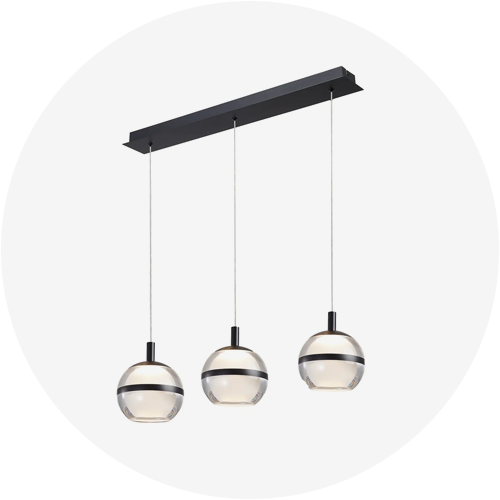
Linear designs, perfect for kitchens and dining tables. Ideal for creating even lighting across islands, counters, or long tables.
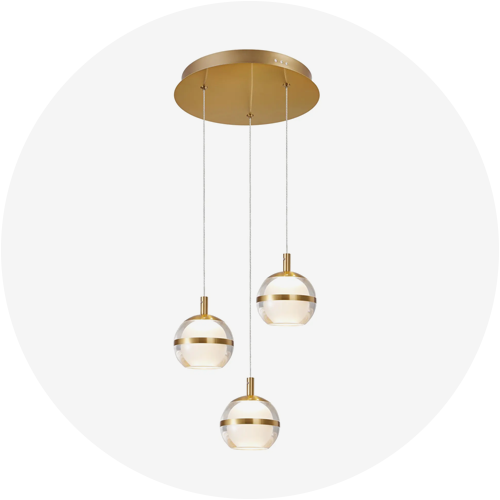
Cluster Pendants
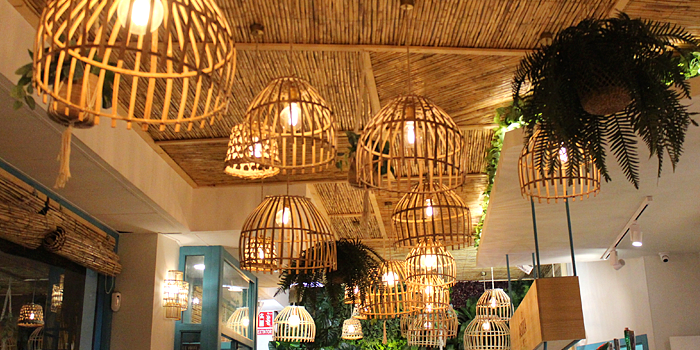
Multiple pendants grouped together for a dramatic effect. Great for stairwells, living rooms, or feature areas. Stagger different sizes for visual interest.
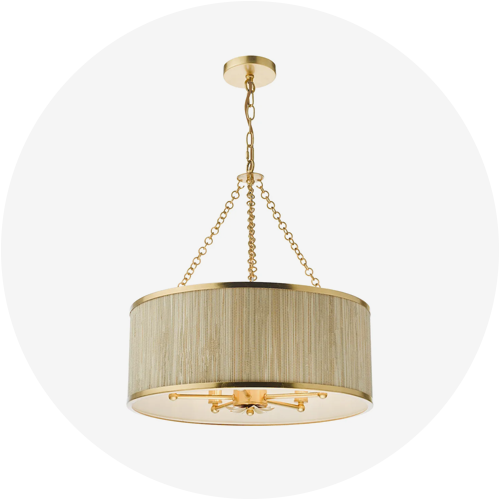
Fabric Pendants
Soft, diffused light that adds warmth to bedrooms or lounge areas. Available in a variety of colours and textures to match your décor.
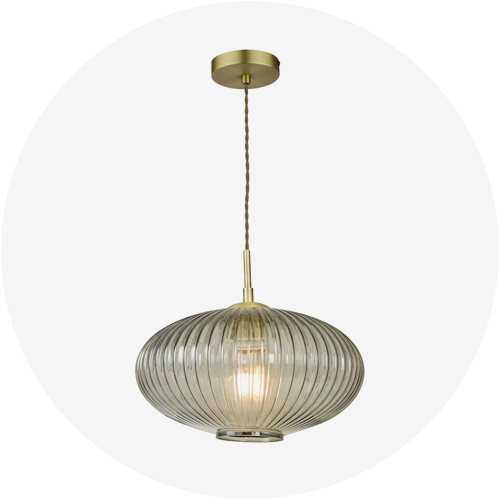
Glass Pendants
Elegant and versatile, these pendants create bright, clear light while adding sophistication. Great for dining rooms, kitchen pendant lights, or hallway lighting.
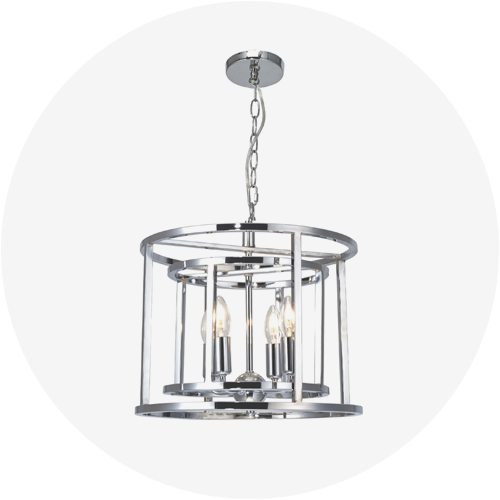
Metal Pendants
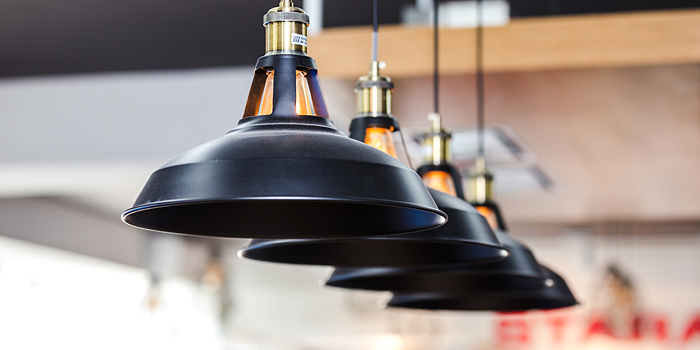
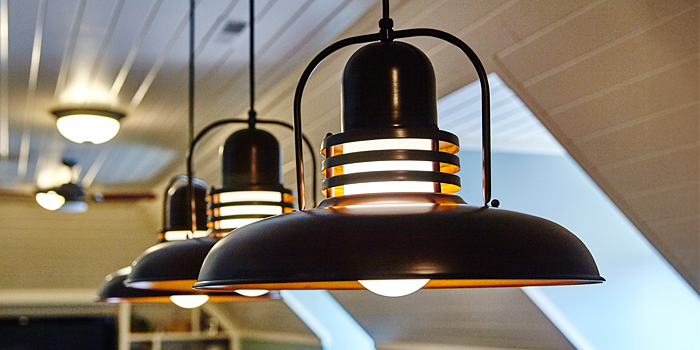
Industrial or modern finishes, perfect for kitchen islands, offices, or contemporary spaces. Durable, stylish, and easy to clean.
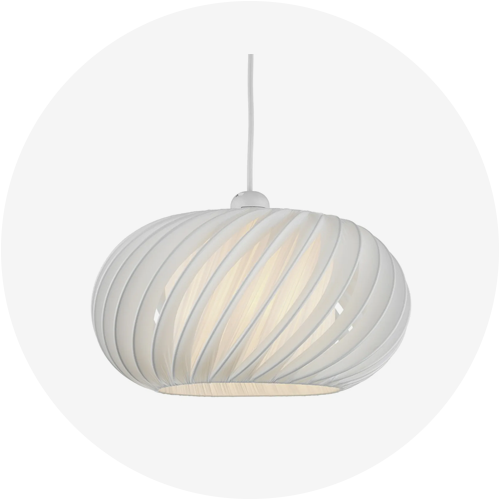
Non-Electric Pendants
Decorative statement pieces that complement interiors without needing a power source. Ideal for creating visual impact in feature areas.
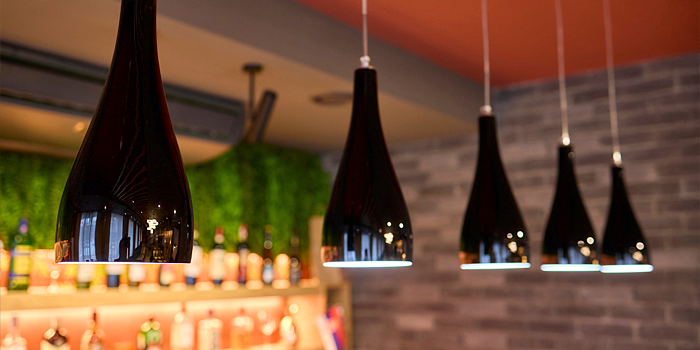
Choosing the Right Size for Your Pendant Light
Getting the pendant light size right helps create visual balance and ensures your pendant fixture complements the room.
Step 1: Measure Your Space
Room dimensions, ceiling height, and furniture placement all influence pendant sizing. For dining tables or kitchen islands, consider the length of the surface in cm/metres and inches/feet.
Step 2: Pendant Diameter
A simple guideline: add the room’s length and width in feet (or metres), then convert to inches (or cm) for the pendant diameter.
Example: 12 ft x 10 ft room (3.7 m x 3.0 m) → pendant diameter ≈ 22 in (55 cm)
Step 3: Multi-Pendant Setups
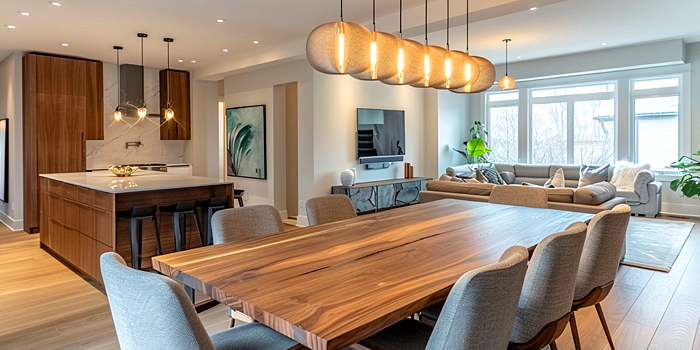
For islands or long tables, multiple smaller pendants work better than one large single pendant light fixture. Keep spacing even: roughly 12–16 in (30–40 cm) apart for visual harmony.
Room Size vs. Pendant Diameter Guide
Room Size
Suggested Pendant Diameter
10 x 10 ft (3.0 x 3.0 m)
20 in (50 cm)
12 x 12 ft (3.7 x 3.7 m)
24 in (60 cm)
14 x 16 ft (4.3 x 4.9 m)
30 in (75 cm)
Tip: For dining tables, pendant width ≈ 1/3 of table length. Multi-pendant setups spaced 12–16 in (30–40 cm) apart work well for islands or long tables.
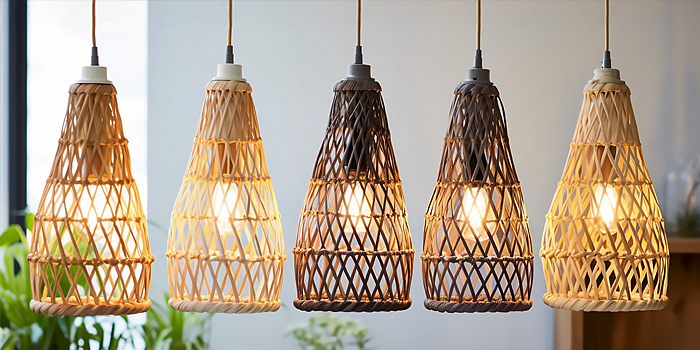
Ideal Hanging Height for Pendant Lighting
Pendant light hanging height affects both function and aesthetics:
-
Above a dining table: ~26–30 in (65–75 cm) from table surface to bottom of pendant.
-
Kitchen islands or counters: ~28 in (70 cm) from surface; adjustable options allow flexibility.
-
General rooms: ceiling height affects how low a pendant can hang without disrupting movement.
-
Multi-pendant clusters: stagger heights for visual interest.
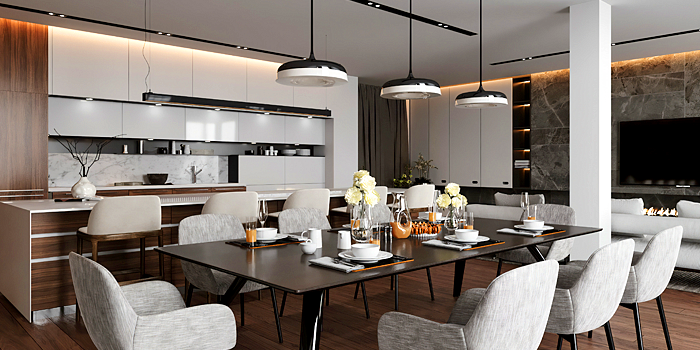
Correct pendant light hanging height ensures comfort, prevents glare, and highlights your décor. For rooms with taller ceilings (8–10 ft / 2.5–3 m+), consider longer pendant drops or multi-pendant arrangements to maintain proportional balance and visual impact.
Discover 3 Reasons Why Pendant Fixtures Need the Right Height
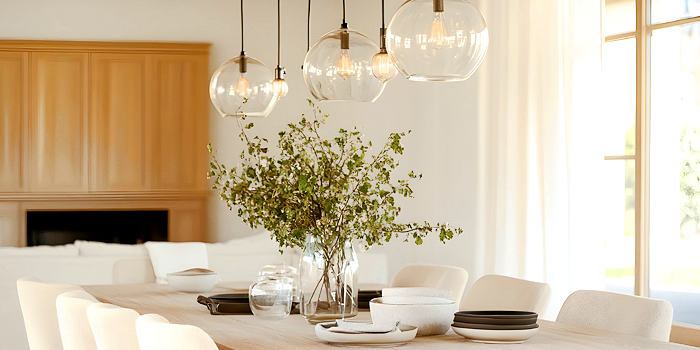
Placement Tips for Different Rooms
The placement of pendant lights can dramatically affect both lighting quality and room aesthetics. Here’s a room-by-room guide:
-
Dining Room: centred over table, aligned with the length.
-
Kitchen / Island: evenly spaced for task lighting.
-
Living Room: cluster or statement pendants as focal points.
-
Bedroom: bedside or central ceiling positions for ambient glow.
-
Hallways / Staircases: staggered or cluster arrangements for impact.
Think about layering pendant lighting with wall lights, recessed ceiling lights, or table lamps to ensure even illumination and a balanced, inviting atmosphere.
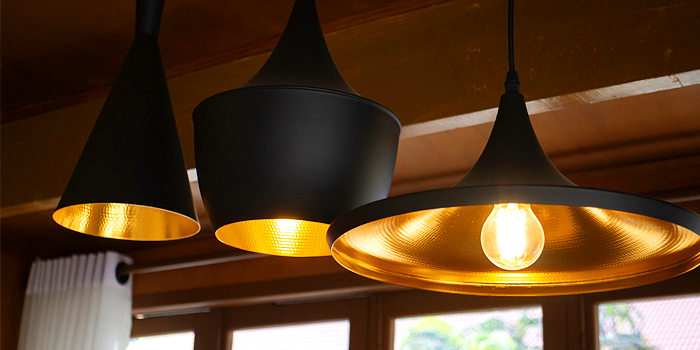
Matching Pendant Lighting to Your Interior Style
The right pendant complements your home’s interior style:
-
Modern / Contemporary: clean lines, metal, or glass finishes.
-
Classic / Traditional: fabric shades, decorative crystal pendants.
-
Industrial: metal finishes, black or brass designs.
-
Eclectic / Scandinavian: colourful shades or statement designs.
-
Hallways / Staircases: staggered or cluster arrangements for impact.
Mixing sizes, shapes, and materials can create layered, visually interesting lighting schemes.
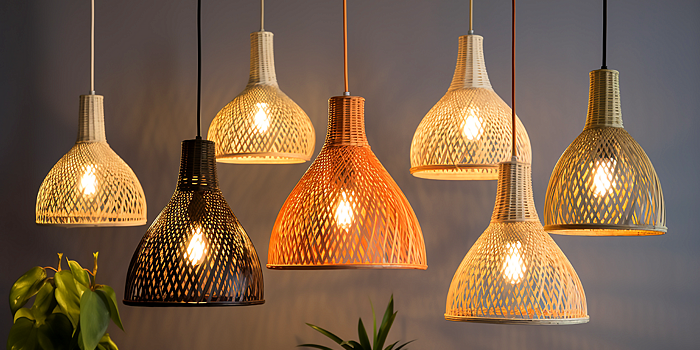
Practical Considerations When Installing Pendant Lights
Before installing a hanging light, keep these practicalities in mind:
-
Ceiling fittings & weight limits: ensure your fixture is supported.
-
Electrical safety: hire a qualified electrician for safe installation.
-
Bulb types: LED for energy efficiency, dimmable options for mood control.
-
Moisture protection: for kitchens or bathrooms, select pendants with suitable IP ratings.
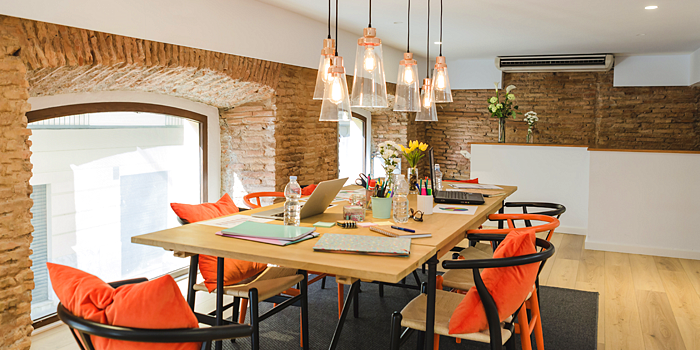
Styling & Layering Pendant Lights
To create a balanced lighting scheme, layer pendants with other light sources:
-
Pair with wall lights or ceiling lights for ambient coverage.
-
Use table lamps or floor lamps for task or accent lighting.
-
Statement pendants can act as a focal point in open-plan spaces.
For multiple pendants above dining tables or kitchen islands, maintain symmetry in spacing and height to create a cohesive, visually balanced display.
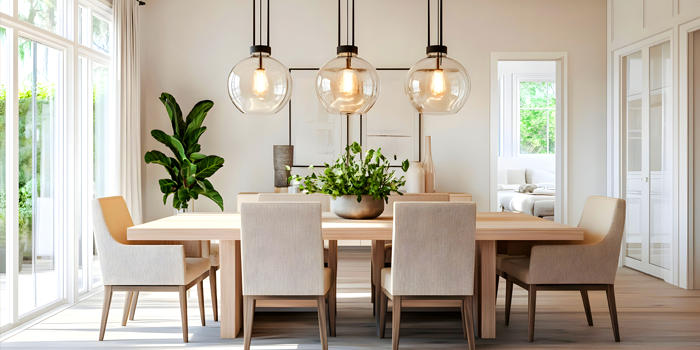
Maintenance & Longevity Tips
Extend the life and maintain the appearance of your pendant hanging lights:
-
Clean glass or fabric shades regularly to keep light bright.
-
Replace bulbs efficiently and safely.
-
Check ceiling fittings periodically for stability.
Final Tips for Choosing Pendant Lighting
-
Match style to your room interior design and décor.
-
Choose the right size and hanging height for comfort and visual balance.
-
Layer lighting for a versatile, functional scheme.
-
Consider energy-efficient LED bulbs to save on running costs.
Shop High Quality Pendant Lighting at Abbeygate Lighting
Browse our full range of premium pendant lights, including Bar Pendants, Cluster Pendants, Fabric Pendants, Glass Pendants, Metal Pendants, and Non-Electric Pendants online or visit one of our showrooms in Norwich, Bury St. Edmunds, or Felixstowe for expert advice.
Whether you’re adding a single statement light to a living room or selecting the perfect dining table pendant light, Abbeygate Lighting has the expertise and selection to help you find the ideal pendant ceiling lights for your home.
Call us on
01394 288240 or
contact our team for personalised guidance on choosing the right pendant ceiling lights for your home.
Pendant Lighting FAQs: Choosing, Sizing & Installation
What is the best height to hang a pendant light?
For dining tables or kitchen islands, hang a pendant approximately 26–30 in (65–75 cm) above the surface. In general rooms, ensure the light is high enough to avoid obstruction, particularly in hallways or living areas (roughly 2 m / 6 ft above floor).
How do I choose the right size pendant light?
Consider the room dimensions and the size of the furniture it will hang above. For dining tables, a pendant width of one-third the table length is a good guideline. Multi-pendant arrangements can balance long surfaces.
Can I use LED bulbs in pendant lights?
Yes, most pendant lights are compatible with LED bulbs, which offer energy efficiency, bright light, and long lifespan. Dimmable options are available for mood lighting.
What styles of pendant lights are available?
Popular options include Bar Pendants, Cluster Pendants, Fabric Pendants, Glass Pendants, Metal Pendants, and Non-Electric Pendants. Styles range from modern and minimalist to classic and decorative.
Where can I use pendant lighting?
Pendant lights work in virtually every room: living rooms, kitchens, bedrooms, hallways, and staircases. Correct placement and height help balance function and aesthetics.
Can I install a pendant light myself?
For safety, it’s recommended to use a qualified electrician for fitting a pendant light, especially for heavier or wired fixtures.
What pendant light is best for a dining table?
A dining table pendant light should be centred above the table and sized proportionally. Many homeowners choose a single statement pendant or a row of smaller pendants for longer tables.
Why does my pendant light hang crooked or tilt?
This usually happens if the ceiling hook isn’t level or the pendant isn’t balanced. Check the installation and adjust as needed, or consult a qualified electrician for heavier fixtures.
How do I clean pendant lights?
Clean pendant lights regularly to maintain brightness and appearance. For glass shades, use a soft damp cloth or glass cleaner. For fabric shades, gently dust with a brush or vacuum with a soft attachment. Always switch off and unplug (or isolate power) before cleaning.